The allure of casino games
Casino games have an undeniable allure that captivates millions of players around the world. This fascination stems from a combination of anticipation, risk, and reward. The thrill of placing a bet and potentially winning a substantial amount of money creates an adrenaline rush that can be hard to resist. For those seeking a thrilling experience, the best non gamstop casino uk offers an exciting range of options that elevate the gaming experience, enhancing the atmosphere that stimulates excitement and engagement.
Psychologically, the concept of chance plays a significant role in driving player behavior. Players often feel a sense of control over their outcomes, believing that their decisions can influence the results of a game. This illusion of control can encourage longer play sessions, as individuals become captivated by the idea that they can impact their fate, even in games predominantly driven by luck. This mindset can lead to more significant financial risks and can obscure the reality of the inherent odds against winning.
The social aspect of casino games also contributes to their popularity. Many players enjoy the communal experience of gaming, where they can share in the successes and failures of others. Such interactions can provide a sense of belonging and connection, enhancing the overall experience. Additionally, the presence of other players can amplify emotions and excitement, creating an environment that fosters deeper involvement and investment in the game.
The role of rewards and reinforcement
Understanding the psychology behind rewards is crucial in analyzing player behavior in casinos. Positive reinforcement is a powerful motivator, and the possibility of winning can serve as a significant reward that drives players to return again and again. The occasional big win can create a cycle of habit, leading players to chase that high. This ties into the concept of intermittent reinforcement – when rewards are unpredictable, they can be more enticing than consistent outcomes, reinforcing the behavior even further.
Additionally, near-misses in games can have a profound psychological impact. Feeling as though you were close to winning can trigger disappointment, but it also fuels the desire to keep playing. This phenomenon is particularly evident in slot machines, where players often experience a series of near-wins. These moments can create a false sense of achievement, leading players to believe they are closer to winning than they actually are, which in turn encourages prolonged engagement.
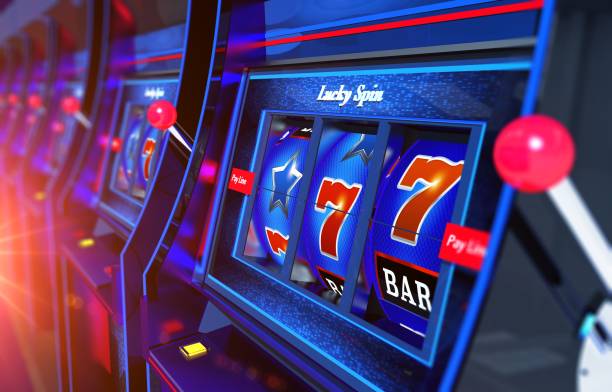
The design of casino games plays an integral role in maximizing player engagement through reward systems. Features such as bonus rounds or loyalty programs offer players the chance to win extra rewards, enhancing motivation. Gamification elements, like leaderboards and achievements, further integrate psychological triggers, tapping into competitive instincts and the desire for social recognition. These factors collectively contribute to the compelling nature of casino environments, predominantly influencing player behavior and decision-making.
Emotional investment and decision-making
Emotions significantly drive the decision-making processes of casino players. The excitement associated with potential wins can skew judgment and lead to risky bets. Players may underestimate the odds of losing, especially when emotions are running high. This phenomenon is known as the affect heuristic, where emotions influence an individual’s perception of risk and reward. When players are emotionally invested in a game, their ability to make rational decisions can become compromised, leading to behaviors that may not align with their financial goals.
Moreover, the psychology of loss aversion plays a critical role in player behavior. People tend to prefer avoiding losses rather than acquiring equivalent gains, making them more likely to continue playing in an attempt to recover previous losses. This can create a dangerous cycle of chasing losses, which can lead to increased spending in pursuit of regaining what has been lost. Understanding these emotional drivers can illuminate why many players struggle with responsible gambling practices.
The design of casino games is often intended to evoke strong emotional responses, from excitement to disappointment. Game developers strategically implement sounds, visuals, and pacing to heighten these feelings. For example, celebratory animations and sounds upon wins create positive associations, while extended play on losing bets can evoke frustration, pushing players to wager more in hopes of a turnaround. This interplay between emotional experiences and game mechanics is vital in understanding how players interact with casino games.
The impact of environment and social influences
The environment of a casino can significantly shape player behavior and psychological responses. Elements like lighting, sound, and layout are meticulously crafted to evoke specific feelings and encourage longer play times. Bright lights and energetic music can create a sense of euphoria, while more subdued settings may lead to introspection and reflection. The strategic design of gambling spaces is intended to keep players engaged and immersed in the gaming experience, often blurring the lines between reality and the casino environment.

Social influences cannot be overlooked when discussing player behavior. Group dynamics and peer pressure can impact decision-making at the gaming tables. Players may find themselves gambling more than they intended due to the presence of friends or fellow players. This aspect of social gambling can be both positive and negative, promoting a sense of camaraderie while also leading to riskier behaviors. The social approval or disapproval of peers can play a significant role in how individuals approach their gambling habits.
The accessibility of casinos and the prevalence of gambling in popular culture also shape societal perceptions of gaming. Advertisements and media portrayals often glamorize gambling, contributing to a narrative that equates casino play with lifestyle success. This cultural framing influences how people view their experiences in casinos and how they interpret their successes and failures, further driving the complex psychology behind player behavior.
Understanding player behavior through research and analysis
To truly grasp the psychology behind casino games and player behavior, ongoing research and analysis are critical. Studies exploring gambling behavior can shed light on trends and patterns, helping to identify the psychological mechanisms at play. By understanding the factors that drive player engagement and decision-making, stakeholders can develop strategies to promote responsible gambling and create safer gaming environments.
Data analytics have become invaluable in this field, allowing casinos to gain insights into player behaviors and preferences. By analyzing betting patterns, frequency of visits, and responses to promotions, operators can tailor experiences to enhance player satisfaction while mitigating the risks associated with problem gambling. This data-driven approach not only benefits the operators but also serves to protect players through responsible gaming initiatives.
Furthermore, interdisciplinary collaborations between psychologists, sociologists, and casino operators can foster a deeper understanding of player behavior. By integrating perspectives from various fields, stakeholders can address the challenges posed by gambling addiction and promote healthier lifestyles amongst players. A comprehensive understanding of the psychology behind casinos can lead to better practices and innovations in the industry, ultimately creating a more balanced approach to gaming.